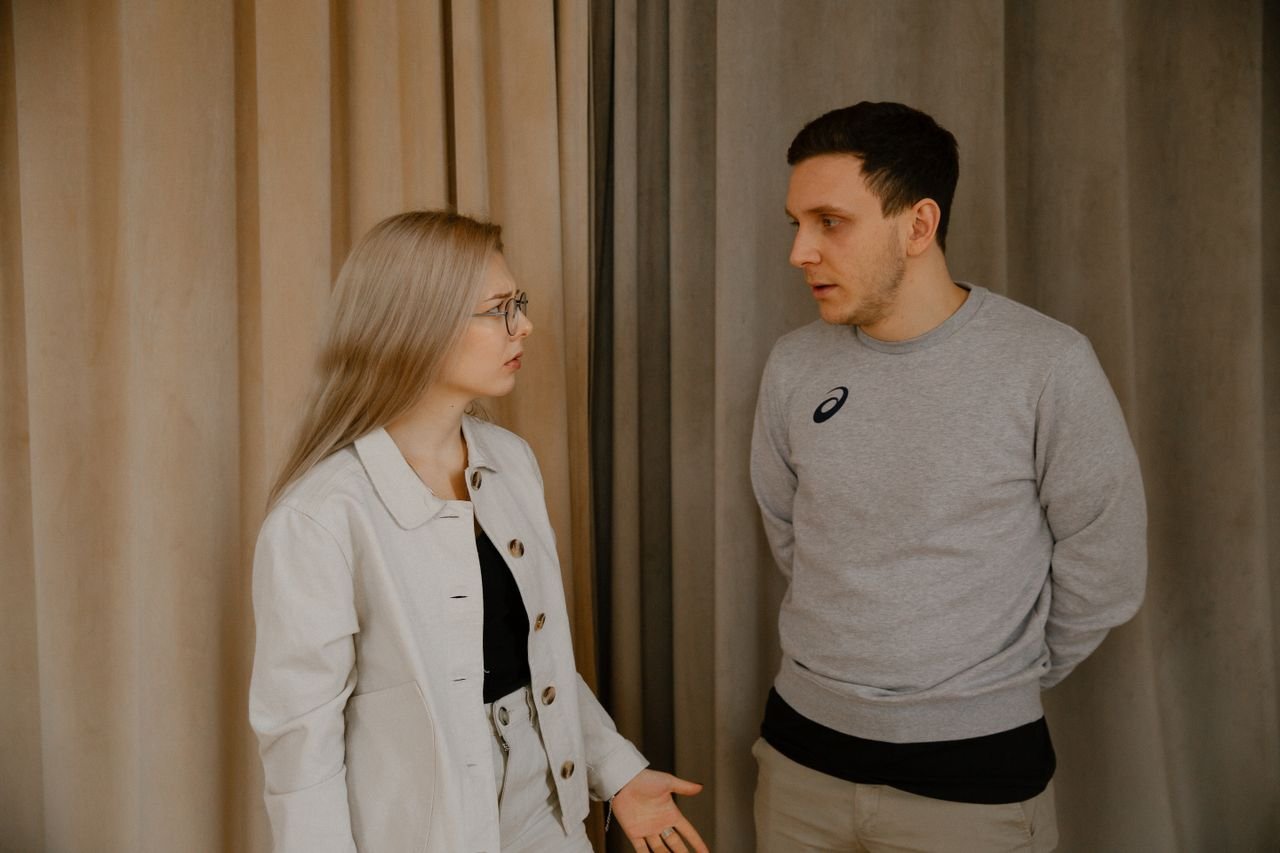
Do you feel like you and your partner are just trying to get by and make do all the time? Do you sometimes feel like you and your partner are barely hanging on? If you answered yes to either of these questions then you may very well be living in survival mode, and I encourage you to read on!
Read moreHow Trauma Can Make Safety Feel Boring or Unfamiliar
Do you find boredom tends to be a trigger for you? Do you find yourself continually seeking excitement? If you answered yes to either of these questions, then you may struggle with safety if you are a trauma survivor, so I urge you to read on.
Read moreEmotional Flooding in Couples and What To Do About It
Are there times when you’re with your partner where you want to say something, but you just can’t seem to find the words? Do you sometimes wind up saying things to your partner that you don’t intend to out of spite or anger? If you answered yes to either of these questions, then you probably are experiencing some degree of emotional flooding and need to learn how to cope with this positively.
Read moreDo You Suffer from Functional Freeze?
Do you tend to go on auto pilot in reaction to stressful situations? Do you tend to react to stressful situations by acting as if nothing really happened? Do you have a chronic sense of disconnection from reality in these situations? If you answered yes to two or more of these questions then you may suffer from functional freeze, and would do well to read on.
Read moreWatch My Recent Interview on Good Morning Frederick!
https://www.youtube.com/watch?v=EXW9mA-bUmM&t=2648s
Transcript from interview. Starts at 32:30 minutes:
Disclaimer: the views of the program hosts are not necessarily those of Scott Kampschaefer, LCSW-C.
Dani Gurrie: How are you Scott?
Scott: I’m doing well, thank you. How are you?
Dani: I’m great, thank you so much. So we just chatted on the phone recently and you are a licensed clinical social worker. Those are the letters you’ve earned after your name, plus others I’m sure, so tell me a little bit about your practice and we’ll talk a little bit about why you do what you do
Scott: Well, I practice mental health counseling on TJ Drive here in Frederick and I’ve been in this line of work for what’s going on 17 years now, and I specialize in working with people who have trauma issues and developed more of niche recently and working with men who have compulsive or addictive sexual behavior and after doing that for 5 to 10 years now have developed an ability to get into their heads as far as what they are struggling with in their relationships and have become more of a relationship coach for them and that led me into being interested in working with couples who struggle with infidelity. In particular, some kind of entrepreneurs and executive gentlemen that I’ve worked with. They struggled with relationship issues, even though they were very successful and their careers. A lot of them have relationships basically dumpster fires, and working with them in their partners is really a new direction that I’ve started heading in just because you know, a lot of people struggle with issues infidelity all the way from emotional affairs to out and out sex addiction, which a number of my clients going back and struggle with in their lives.
Dani: Yeah and I think you know it was interesting cause we were actually just talking about like the mental health issues in the United States as a whole, certainly after hearing about the young person with a gun in the school and in Montgomery County, you know we feel like that there is a lot that can be done to help people and I know when I talk with therapists like yourself once you kind of get out into the public, your schedules get booked up very quickly, so I mean, I guess it’s a good thing that people are seeking out mental health support but what are you finding as a therapist in your recent years. Do you find more people find it acceptable and are seeking you out to help?
Scott: Yes, yeah definitely. Especially with the younger generations. I have two stepsons who are Zoomers and then some niece and nephews who are Millennials and fortunately for them, they seem to have fewer compunctions about reaching out for help, and like well I have to do it on my own and I have to take care of myself, even though I’ve worked with older adults in the early part of my career, that’s a strength that they’re willing to reach out for help and that’s become a significant part of my private practice now is working with some of this younger generation, although I still see some older adults, because you know I’m not as young as I used to be, I spent a goodly number of years in my former career of public and private education. I can appreciate a lot of what, you know, the school struggles are these days, so I’m sorry to hear about that young man.
Dani: Yeah and you know couples therapy too. I mean, obviously you know if you look at the divorce rate in the United States over the past 50 years I mean, it’s literally just continues to increase so you know I think it’s very important for people to, I guess not not make that the number one results how do you help couples kind of move past the hey we’re gonna get a divorce to hey, we’re gonna try to figure out if we can make this work like what what does that look like?
Scott: Well, it has to do with understanding that as a partner in a couple relationship, a married relationship chiefly, that you are part of an ecosystem that is bigger than you being part of a couple and that adds a lot to your life. Sure you can be independent, you know totally independent and not need anybody, but that’s not really something that most people you know have is their number one you know focus in life because just as things have evolved in our society the primacy of a partner relationship has taken on more significance and to be able to learn to function in a relationship in a way that fosters growth in that coupleship rather than it’s just being for me and I’ll just do what I want and I won’t take any consideration for what my partner thanks for feels you know that’s that’s a prescription for misery unfortunately conscious of a lot of people in their couple relationships is like what’s in this for me, and is that there’s a lot in there for you rather even if you’re not focused totally on yourself.
Dani: Right yeah and a lot of people don’t realize that you know as couples navigate their relationship you bring with you all the traumas or baggage I guess so to speak from your whole life, and if those aren’t worked out, it’s very difficult to have an emotionally secure relationship with anyone much less a spouse with all of the, you know, stresses that go on with just being married having kids navigating all of that and yeah, just trying to kind of fix yourself as much as you can before you can give it to someone else yeah oh I see pet loss trauma. I’m looking through your blog right now and yeah that’s that tough one when people I mean look our four-legged friends are a family really, for sure, I like it. What is that if you could offer kind of a little free advice today if someone is having a hard time in their marriage, you know what are a couple things that someone could do right now to help bring up or look to therapy you know how do you bring that up to a partner who may not have been open to hearing that in the past or maybe it’s not been discussed and partly it can be a situation where if, you know your partner is not otherwise gonna seek out help or treatment then you encouraging the two of you to go to couples therapy to be potentially less intimidating then say well I think you need therapy help and sometimes that’s the only way to get some people into therapy is through couples therapy. But just being very intentional about trying to find ways where you can make your relationship better if you’re not prone to speaking up to your partner about things that are bothering you and your growth agenda is probably going to speak up or if you’re like well this is what I want and you’ve gotta give it to me then think about what do I need to do to potentially dial that back because I may be the one who’s the only one speaking out in the relationship and my partner speak up for themselves on behalf of the relationship at least some of the time and what about for young?
Dani: Yea and what about for anyone maybe who is not married yet but maybe in a committed relationship thinking about getting married maybe they’re engaged do you have some advice for them on maybe seeking out some couples therapy kind of pre-marriage and before maybe anything is actually happened to make sure they’re on the same page about is that anything that you would recommend or offer?
Scott: Certainly, I have a couple of couples that are, a couple of couples, at least a few are not married in the process of exploring increasing their commitment, younger and older and just helping them identify what kind of a relationship is that that you both want, number one and then if you both want the same kind of relationship in terms of, you know, just different aspects of it and what’s getting in the way of you having that kind of relationship. That being said, it is a little bit harder with couples who are not already married to push them. I don’t want to say push, but to lead them further and increasing their degree of commitment that might not be ready to go into yet so that makes a little more dicey because you know unless they’re married and they’ve been together a long time there’s gonna be more inclination to be like, well you know, I think I’ll just try somebody else for another situation because the heat‘s getting a little bit too intense in here.
Dani: Right. Yeah well if you want to reach out to Scott you can do so his website is scottkampschaeferlcsw.com. Welcome to Frederick I know you have been here for a while, but you originally come from Houston welcome to a Maryland winter. I mean it’s really a shock to all of our systems even if you’ve been here before, but we’re so glad you’re part of our community and helping people both individually and as couples, you know, have a great relationship and find some peace and happiness. I think that’s what we all want for sure.
Scott: Thank you so much for having me on Dani. It’s been a pleasure.
Visit our page on couples therapy to find out how Scott can help you in your relationship.
About the author: Scott Kampschaefer, LCSW is a private practice therapist in Frederick, Maryland. He has an extensive background in working with depression, anxiety, and bipolar disorder at a clinic for older adults with these disorders in Austin, Texas. He now works with adults and adolescents 14 and up in private practice. His most recent book is titled The 5 Pillars of Addiction Recovery and is available for purchase on Amazon and in paperback on this website.
How Couples Therapy Helps You Stop the 'Blame Game'
Do you often feel tempted to blame your partner if something goes wrong in your relationship? Do you sometimes get into self-reproach or self-loathing when you mess up in your relationship and get angry at yourself? If you answered yes to either of these questions, then you should read how couples therapy can help you in such instances.
Read moreHow Chronic Invalidation Hampers Mental Health and Relationships
Have you ever felt that what you were feeling or thinking was being invalidated by friends, family, or loved ones? Have you ever felt cut off from feelings after not having your thoughts or feelings respected? If you answered yes to either of these two questions, then your brain needs you to free the rest of this post for today.
Read moreWhy Emotional Safety is the Key to Desire
Do you ever wonder how you might have lost the spark with your spouse or a relationship partner? Do you find yourself wishing that you felt the same about your partner as you did in the early days of your relationship? If you do then it may help to go back to what it was that helped you to feel desire for them in the first place, so please do read on.
Read more3 Ways Trauma Disrupts Motivation and Follow-Through
Have you ever noticed how situations that traumatize you can tend to take away your motivation and drive? Do you ever wonder how you’re going to be able to complete plans that you made before you got traumatized in the first place? If you answered yes to either of these questions then today’s offering is for you!
Read moreResponsible Child Syndrome and Its Impact in Adulthood
Were you ever regarded as being a “responsible child“ when you were growing up? Do you feel like you never really got to experience your childhood growing up because of this? Do you feel like you always had responsibilities for others at an early age? If you answered yes to one or more of these questions, you may suffer from what I call Responsible Child Syndrome.
Read morePet Loss Trauma: Why It's Real and How Therapy Helps
Do you tend to minimize the loss of a pet because of so many other things that seem to distract you from it? Do you feel you ‘don’t have time’ to grieve your pet even though the loss feels traumatic to you? Do you keep reliving some awful memories of how your pet died or of their decline before their death? If you answered ‘yes’ to 2 or more of the above questions, you may have pet loss trauma and would do well to read on.
Read moreRelationship Therapy for Couples with Caregiver Responsibilities
Do you feel like you just don’t have any time to communicate or connect with your partner because of caregiving responsibilities? Do you feel responsible for meeting everyone else’s needs to the exclusion of your own? If you answered yes to either of these two questions then you would do well to continue to read this week’s offering.
Read moreHow to Heal From Trauma Caused by Toxic Relationships
Do you ever feel worn down because of a prior relationship you were in? Do you wonder if you’ll ever be able to connect meaningfully with other partners after a painful break up? If you answered yes to either of these two questions then you may be struggling with the aftermath of a toxic relationship, and would do well to continue reading.
Read morePower Struggles in Your Relationship and How to Get Past Them
Do you find you and your partner repeatedly butting heads over issues that seem relatively insignificant on the surface? Do you tend to feel “dug in“ when you bring up a particular issue with your relationship partner? Do you find it hard to listen to what they’re saying, without thinking of a counter argument, or a counterpoint to what they’re saying? If you answer yes to any of these questions, then you’re probably stuck in a power struggle and would do well to continue reading.
Read moreAttunement is the Key to Online Therapy Working
Image of woman sitting in front of laptop courtesy of Pexels
Are you skeptical about whether online therapy could be helpful for you? Do you think that meeting with a therapist online seems somehow fake? If you answered yes to either of these questions then today’s blog should be an excellent read for you.
Read moreHow to Distinguish Betrayal Trauma From Jealousy
Have you ever found yourself feeling jealous and obsessed over it? Have you ever felt so jealous you got angry and upset about it? Do you find yourself looking up someone you’re jealous of on social media to find out if they may pose a threat to your relationship? If you answered ‘yes’ to more than one of these questions you are most likely not suffering from trauma and would do well to read on.
Read moreRead my most recent Letter to the Editor in the Frederick News Post!
How Trauma and Addictive Behavior Behaviors Go Together
Image of man lighting a pipe courtesy of Pexels
Do you often wonder why you seem to get pulled into the net of addictive behaviors? Do you have a history of trauma and wonder why you keep making the same poor decisions over and over again? The explanation may lie in connecting your trauma to your compulsive actions, so please read on.
Read moreHow Couples Therapy Can Reduce Repeated Arguments
Image of man and woman arguing courtesy of Pexels
Do you seem to keep having the same arguments with your partner, but just in a different form? Do you feel like you and your partner are stuck in a cycle of wash, rinse, and repeat with regard to your conflicts? If you answered yes to either of these questions, then you would definitely benefit from reading today’s offering.
Read moreAre You in 'The Window of Tolerance' with Trauma?
Image of man sitting against fence with hand on his forehead courtesy of Pexels
Do you sometimes feel overwhelmed and panicky in relation to a traumatic experience you’ve had? Do you sometimes feel numb or emotionally shut down when you are reminded of a traumatic experience from the past? In either of these instances, you are out of your window of tolerance, and need to be able to get into it. So read on if you answered yes to either of these above.
Read more