
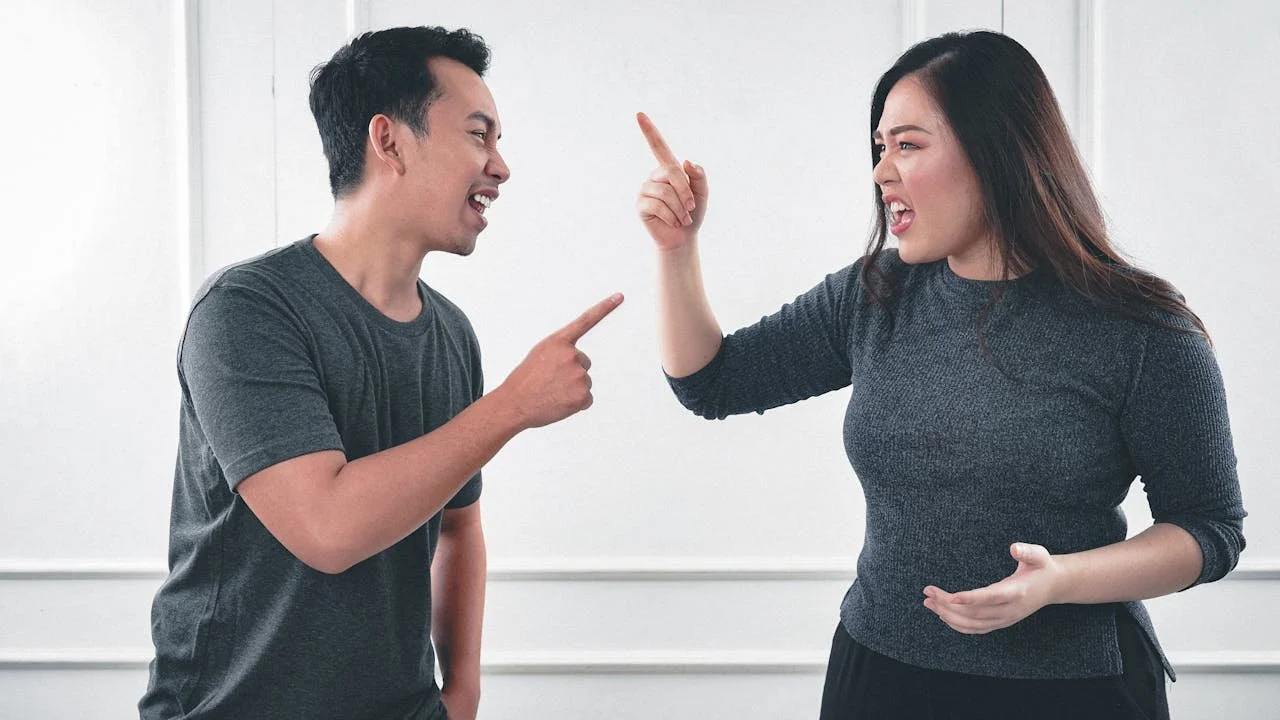
Do you often feel tempted to blame your partner if something goes wrong in your relationship? Do you sometimes get into self-reproach or self-loathing when you mess up in your relationship and get angry at yourself? If you answered yes to either of these questions, then you should read how couples therapy can help you in such instances.
Our Culture is All About the ‘Blame Game’ These Days
From our national leaders to the way school children behave, we are all basically inclined to look for someone to blame when something goes wrong. It’s a feature of what I call the ‘adapted child’ and it tends to rule the roost as far as how everyday interactions go. Suffice it to say this is not the best way to act towards your partner, however.
How Pain Equals Blame
It’s the simplest thing in the world to lash out at your partner when something goes wrong. Our minds are set up to lay blame when we experience some degree of emotional pain. This is also so very true in our relationships as much or more than any place else. If something happens that's upsetting or hurtful, we naturally try to blame our partners for it.
How the Blame Game Backfires
The problem with the blame game is that there’s usually two people who know how to play it, and your partner is as well equipped to play it as you are. So when you start to blame your partner, they can either blame you back or they can get into self-loathing or self-hatred as well. Neither of these is healthy, and you may be as good or better at self-hating than your partner.
‘In between right and wrong there is a field. I’ll meet you there.’ Rumi
Couples Therapy Diffuses the Blame Game
Any gifted couples therapist will tell you that the way to growth in your relationship is not to figure out who is right or wrong, but to better understand why each of you behaves the way you do. In addition to this, the emphasis becomes on being accountable to each other for your agreements rather than deciding who’s right or wrong. Once you focus on agreements, instead of whose right or wrong, there’s a much better chance at making progress as a team and a couple. This is part of maturing into real adulthood, instead of living in the ‘adapted child’ state of mind.
How to Individually Stop Blaming
One of the simplest ways to get away from blaming is to make it a point to not judge you or your partner. When you find yourself making up a story about a situation going on in your relationship or your life, then label it for what it is: a story. It may be true or not true, but it really doesn’t do justice to automatically believe that it’s absolutely true. Then having a way to notice and possibly process some difficult feelings related to the story, then becomes the key. We do need to separate from our stories to be able to eventually alleviate our suffering and live more relationally.
What if You Need Help Breaking Away from the Blame Game?
Most couples struggle to stop blaming each other or themselves for their problems. Often it takes a gifted professional to help a couple break their pattern of blame. This has been a key focus of mine with all of my clients, so I encourage you to call the number at the top of the page, click on the schedule consultation button above, or fill out an inquiry form below to schedule a free 20 minute virtual couples consult with me if you live in Maryland or Virginia, so you can find out whether I would be a good fit for you in your situation. You can either stay in misery, or come to see the light of a new day free of guilt and bitterness. I encourage you to make the healthy choice today.
Visit our page on couples therapy to find out how Scott can help you to break free from the blame game in your relationship.
About the author: Scott Kampschaefer, LCSW is a private practice therapist in Frederick, Maryland. He has an extensive background in working with depression, anxiety, and bipolar disorder at a clinic for older adults with these disorders in Austin, Texas. He now works with adults and adolescents 14 and up in private practice. His most recent book is titled The 5 Pillars of Addiction Recovery and is available for purchase on Amazon and in paperback on this website.